Three13 · Music & Legacy Feature
Smokey RobinsonThe Voice WhoBuilt Motown
From a notebook of 100 songs written as a Detroit teenager to Motown's vice presidency, a Rock & Roll Hall of Fame induction, and the Library of Congress's highest songwriting honor — the improbable, enduring career of William "Smokey" Robinson Jr.
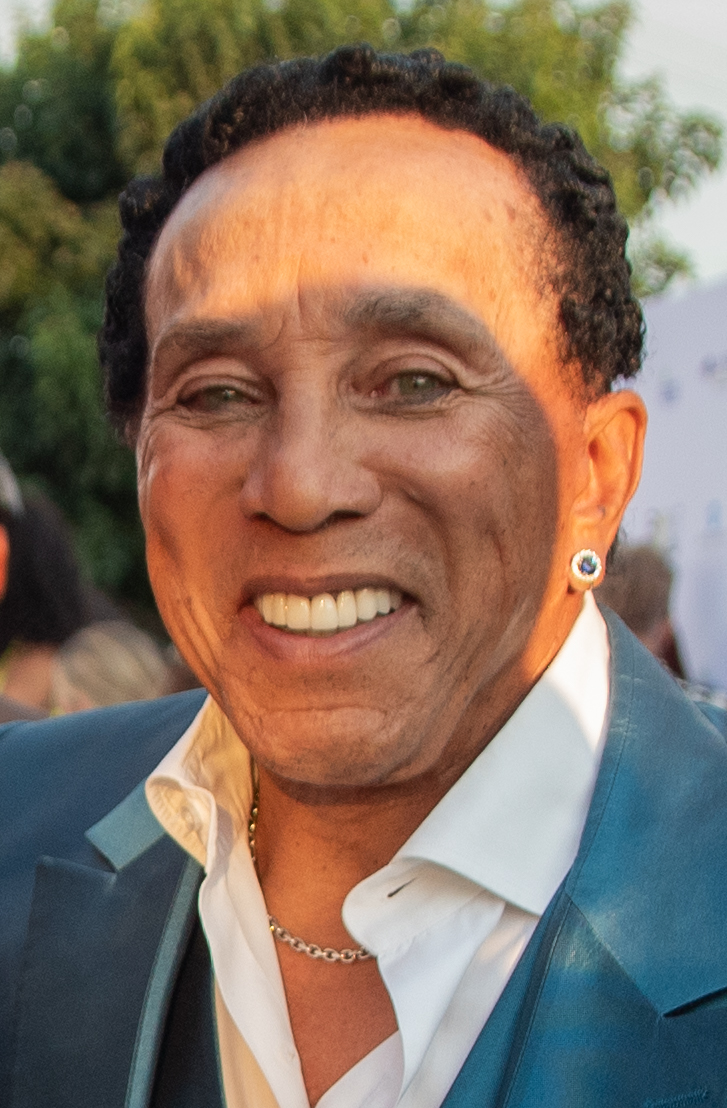
William "Smokey" Robinson Jr. was born on February 19, 1940, in Detroit's North End, a few houses down from a young Aretha Franklin whose piano playing he remembers overhearing before either of them was famous. By 17, he had written 100 songs in a "Big 10" notebook and used it to impress a young songwriter named Berry Gordy — a meeting that would help build Motown Records from the ground up.
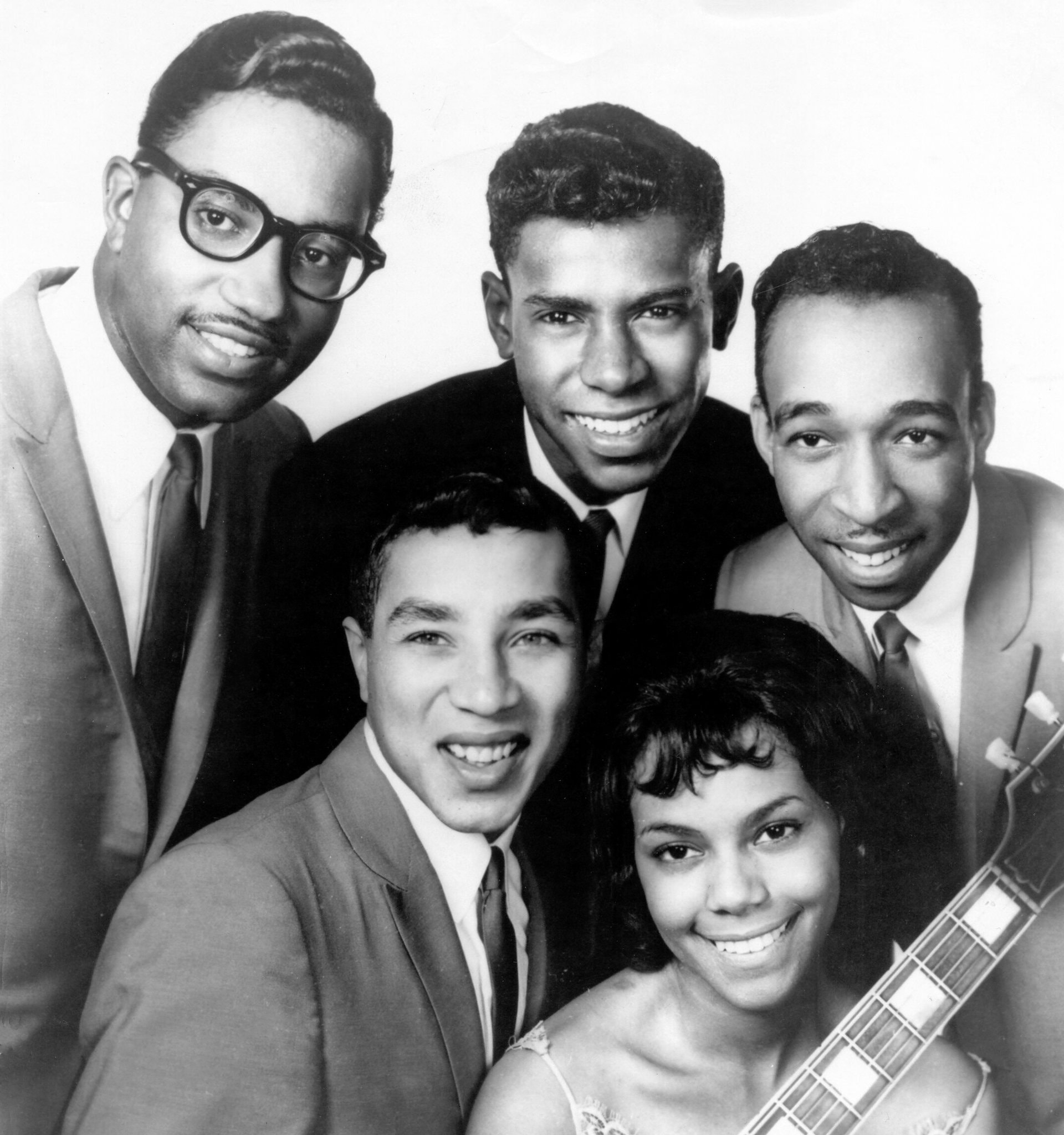
From the Matadors to Motown's Vice President
Robinson's group — first the Five Chimes, then the Matadors — became the Miracles and were among the earliest acts on Gordy's fledgling Tamla label, which soon became Motown. In 1960, the Miracles' "Shop Around" became Motown's first million-selling single, and Robinson quickly rose to become one of the label's most trusted songwriters, producers, and eventually its vice president.
Between 1960 and 1970, Robinson delivered 26 Top 40 hits with the Miracles as lead singer, writer, and producer — including "You've Really Got a Hold on Me," "Ooo Baby Baby," "The Tracks of My Tears," and the group's only Robinson-era No. 1, "The Tears of a Clown."
The Songwriter Behind Motown's Biggest Names
Beyond his own group, Robinson was one of the era's most prolific hitmakers for other artists. He wrote or co-wrote "My Guy" for Mary Wells, "My Girl" and "Get Ready" for the Temptations, "Still Water (Love)" for the Four Tops, and "Ain't That Peculiar" and "I'll Be Doggone" for Marvin Gaye.
"I don't like ordinary things — I like extraordinary things." — Smokey Robinson
By 1969, Robinson wanted to step back from touring to focus on his family and his VP duties, but the Miracles' surprise smash "The Tears of a Clown" kept him performing until 1972, when he left the group to concentrate on Motown's business side.
A Solo Second Act
Robinson's solo career found its footing with 1979's "Cruisin'," a Top 5 pop hit, and reached its commercial peak with 1981's "Being with You," which topped the UK Singles Chart. He continued releasing new music for decades, was inducted into the Rock and Roll Hall of Fame in 1987, and received the Library of Congress Gershwin Prize in 2016 — one of the highest honors in American songwriting.
A Career in Motion
1955
Forms a doo-wop group with childhood friends in Detroit's North End, eventually becoming the Matadors and then the Miracles.
1957
Auditions for songwriter Berry Gordy with a notebook of 100 original songs. Gordy is floored by his songwriting ambition, launching a partnership that builds Motown.
1960
The Miracles release 'Shop Around,' Motown's first million-selling single, establishing the label as a commercial force.
1960s
As Motown's vice president and chief songwriter, pens hits for Mary Wells ('My Guy'), the Temptations ('My Girl'), and Marvin Gaye ('Ain't That Peculiar') while leading the Miracles to 26 Top 40 hits, including 'The Tracks of My Tears' and 'The Tears of a Clown.'
1973
Leaves the Miracles to focus on his Motown VP role and launches a solo career with the album Smokey.
1979–1981
Scores back-to-back solo landmarks: 'Cruisin'' hits No. 4 on the Hot 100, and 'Being with You' becomes a No. 1 hit in the UK and his biggest US pop single.
1987
Inducted into the Rock and Roll Hall of Fame as a solo artist; the Miracles are inducted on their own merit in 2012, with Robinson introducing them.
2016
Receives the Library of Congress Gershwin Prize for Popular Song, the nation's highest honor for a lifetime of songwriting achievement.
2025
Releases What the World Needs Now, his 25th studio album, continuing an active recording career into his eighties.
Recognition
- ◆Rock and Roll Hall of Fame inductee, solo artist (1987)
- ◆Library of Congress Gershwin Prize for Popular Song (2016)
- ◆Double Hollywood Walk of Fame honoree — solo (1983) and with the Miracles (2009)
- ◆Black Music & Entertainment Walk of Fame inductee (2022)
- ◆Grammy Award winner, 'Just to See Her' (1988)
- ◆26 Top 40 hits with the Miracles; wrote or co-wrote hits for Mary Wells, the Temptations, the Four Tops, and Marvin Gaye
Learn More
Frequently Asked
Is Smokey Robinson from Detroit?+
Yes. William 'Smokey' Robinson Jr. was born on February 19, 1940, in the North End neighborhood of Detroit, Michigan, and grew up blocks from a young Aretha Franklin before helping found Motown Records.
What songs did Smokey Robinson write for other Motown artists?+
Robinson wrote or co-wrote major hits for other Motown acts, including 'My Guy' for Mary Wells, 'My Girl' and 'Get Ready' for the Temptations, 'Still Water (Love)' for the Four Tops, and 'Ain't That Peculiar' and 'I'll Be Doggone' for Marvin Gaye.
Why was Smokey Robinson important to Motown's success?+
Robinson was one of Motown founder Berry Gordy's first signings and became the label's vice president and a chief songwriter-producer. The Miracles' 1960 hit 'Shop Around' was Motown's first million-selling record, and Robinson's songwriting shaped the label's sound throughout the 1960s.
Is Smokey Robinson still making music?+
Yes. Robinson has remained active well into his eighties, releasing the gospel-influenced Gasms in 2023 and What the World Needs Now, an album of inspirational cover songs, in April 2025.
About This Feature
This Three13 feature draws on verified public sources including Wikipedia, the Rock & Roll Hall of Fame, and Grammy.com. Photos are sourced from Wikimedia Commons and used editorially.